A Designer's Honest Look at the Baby Walrus Embroidery
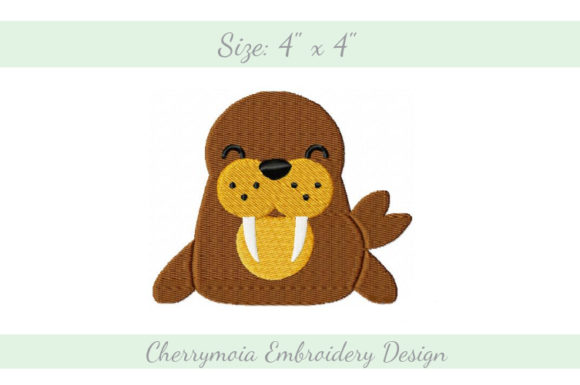
When I first saw this Baby Walrus design, my immediate thought wasn't just about its cuteness—it was about its potential application. As someone who regularly evaluates embroidery files for real client projects and my own shop products, the first impression is crucial. This little walrus carries a specific mood: gentle, whimsical, and inherently cozy. Its rounded shape and soft theme suggest it belongs in projects meant to evoke warmth and comfort, not sharpness or high fashion.
Where This Design Naturally Finds Its Home
The product description suggests apparel, pajamas, and towels, which is a good start, but from a practical design perspective, let's think deeper. This isn't a design for a corporate logo or a minimalist minimalist aesthetic. Its personality is perfect for handmade products aimed at personal connection. I picture it on the corner of a nursery pillow cover, as a charming accent on a baby’s cozy blanket, or as the central feature on a soft, fleece baby jacket. For small shop merchandise, it would shine on items like children’s tote bags, aprons for a playful kitchen, or tea towels in a boutique that sells cheerful home goods.
Recently, I was preparing a custom baby gift set for a client—a sweatshirt and a matching cap. The request was for something unique, soft, and not overly cartoonish. This Baby Walrus design came to mind immediately. Its shape, without overly sharp corners, is forgiving on curved surfaces like caps. The likely use of fill stitch areas for the body and satin stitch or running stitch for details would translate well onto both the flat sweatshirt front and the cap’s curved panel, provided the hoop size is appropriate and stabilizer is chosen correctly.
Performance in Real-World Embroidery Situations
For craft business owners and Etsy sellers, the real test is how a design stitches out and how the finished product feels to a customer. With a theme like this, stitching clarity is paramount. The details—the tusks, the eyes, the texture suggested on the body—need to be clear and clean to maintain that adorable appeal. On a dark fabric background, you’d need to think carefully about thread color contrast to keep those features visible. On a light-colored baby pajama, it would likely pop beautifully.
I’ve found that designs in the Baby Animals category often perform best on stable, medium-weight fabrics. For this walrus, I’d be cautious on very thin or highly stretchy fabrics unless using a heavy stabilizer, as the stitch density might cause puckering. Textured fabrics like some towels could also obscure the finer details. Always, always test the design on scrap fabric first. This isn’t just a step; it’s insurance for your commercial embroidery project or your personalized gift.
Thinking Like a Customer: Visual Appeal and Value
A design’s success isn't just technical; it’s emotional. When a customer sees this Baby Walrus on a product, they’re reacting to its handmade presentation. A clean, well-executed stitch of this design adds perceived value. It feels special, not generic. For a small shop product, that builds customer trust and brand consistency if your shop vibe is gentle and playful. Its high giftability for occasions like baby showers, holidays, or just a thoughtful present is a significant commercial advantage.
Practical Notes for the Working Designer
Before you run this embroidery file, a few professional habits will save you time and materials. Since the description mentions it comes with multiple embroidery files, I’d advise checking what those are. Are there different sizes? One with outline stitches for a simpler look? This impacts your hoop size choice dramatically.
- Review the small details in a preview software. Are the eyes distinct? Would they get lost on a smaller stitch-out?
- Test it in both light and dark fabric digital embroidery file mockups, even simple black and white screenshots, to preview contrast.
- Consider its use as an embroidered patch. This design could be excellent for a standalone patch applied to a backpack or jacket, adding versatility.
- For apparel decorators considering custom apparel like adult sweatshirts, the scale matters. A tiny walrus on a large adult hoodie might look lost; a larger version could be a charming, whimsical statement.
Finally, a critical point for digital product sellers and creative entrepreneurs: confirm the licensing. The description doesn’t specify terms. Before selling finished items or using this as a design asset in your craft business, you must know if it’s licensed for commercial use. This is non-negotiable for professional practice.
A Design That Invites Playful Application
The Baby Walrus, in essence, is a embroidery design that invites playful application rather than demanding strict technical perfection. It’s forgiving in its mood, which means even on a project where the fabric choice wasn’t ideal, the end result might still carry that cute, cozy feeling that resonates with buyers. For holiday embroidery projects, think beyond babies—a walrus on a winter-themed kitchen towel or apron could be a surprising, delightful touch.
My overall judgment is that this is a solid, mood-driven design file. Its value isn’t in groundbreaking complexity, but in its reliable ability to add a specific kind of charm to a project. For makers focusing on baby embroidery, nursery decor, or heartfelt gifts, it’s a worthy addition to your library. Just pair it with your professional process: test, stabilize, and consider the fabric as your canvas. Then, let that little walrus work its magic.