A Fresh Take on Easter Embroidery: The Redwork Tree
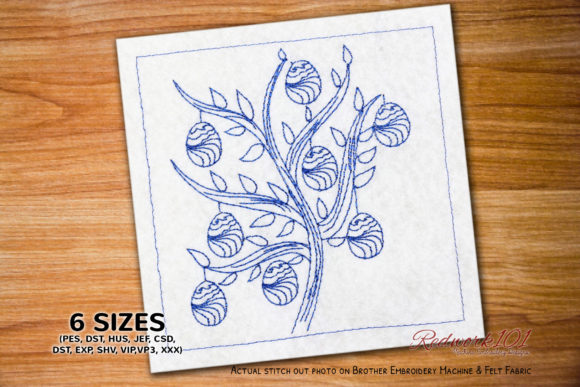
When I sit down to evaluate an embroidery design for practical use, my first question isn't about file formats or stitch counts—it's about the story it tells. The Easter Tree with Eggs Redwork design immediately speaks in a quiet, classic voice. This isn't a loud, cartoonish holiday motif; it’s a thoughtful illustration. The simple, elegant lines of the tree adorned with hanging eggs evoke a sense of calm tradition, more akin to a cherished heirloom than a seasonal novelty. My first impression was that this design belongs on items meant to be kept, not just displayed for a single season.
Where This Design Finds Its True Home
I picture this design stitched onto a natural linen tea towel in a soft slate blue thread. The redwork style—traditionally single-color line work—is perfect here, offering a clean, graphic look that feels both modern and timeless. This is not a design clamoring for a children’s sweatshirt. Its personality leans toward home decor, thoughtful gifts, and boutique-quality items. Imagine it on the corner of a cotton pillow cover in a nursery, or as a subtle accent on a kitchen apron for spring. For an Etsy seller or small shop owner, this design translates into products with a higher perceived value because of its artistic restraint. It feels curated.
In a real-life scenario, a client asks for a personalized Easter gift for a grandmother—something beyond a typical bunny. This Easter Tree with Eggs Redwork design, stitched onto a high-quality tote bag or the breast pocket of a lightweight spring shirt, becomes that perfect solution. It’s recognizably seasonal without being kitschy, which often resonates more deeply with adult customers. The empty eggs hanging from the branches even invite a personal touch; one could easily add a small name or date in a delicate script within an egg, turning it into a customized handmade product.
Performance on Real Products: A Practical Walkthrough
Let’s talk about how this design will behave once you load the embroidery file and start your machine. The line-based nature of redwork is generally forgiving. Stitch density should be moderate, making it suitable for a range of fabrics. I would confidently run this on a well-stabilized cotton tote bag, a linen towel, or a smooth quilting-weight cotton for a pillow. The detail level appears balanced—the tree has enough character without being overly fussy, which means it should embroider cleanly without losing definition.
For custom apparel like a t-shirt or sweatshirt, I’d be selective. On a standard jersey tee, you must use excellent stabilizer to prevent puckering around the lines, especially if the design area is sizable. A better apparel application, I think, is a baby’s romper or a lightweight dress in a non-stretch fabric—it becomes a delicate, baby embroidery detail. The optional box stitch mentioned in the description is a critical note. If that outer box is merely a placement guide and not part of the artistic design, skipping it is essential for a clean, professional finish on your final product. Always test a sample to confirm.
Where to Exercise Caution
Every design has its limits. The Easter Tree with Eggs Redwork, with its likely fine lines and potential small elements (like the egg outlines), requires careful handling on certain surfaces. Textured fabrics like thick terry cloth or loosely woven linens can obscure clean lines. Curved surfaces like caps present a challenge if the design is too large; the distortion on the crown might warp the pleasing symmetry of the tree. Embroidering on dark fabric demands a thoughtful thread color choice—a classic red may not pop; consider a cream, light grey, or gold to maintain that vintage redwork feel.
Products destined for frequent washing, like everyday kitchen towels, need a robust stitch execution. Ensure your settings produce secure, durable stitches so the design doesn’t fray over time. This is where a test on scrap fabric is non-optional. Hoop it, stitch it, and wash it several times to see how it holds up. This practical step separates a hobbyist project from a sellable, professional embroidery product.
The Impact on Your Business & Your Customer
From a commercial perspective, this design offers strong giftability and brand consistency. For a creative entrepreneur specializing in holiday items, it fills a niche for quieter, more artistic Easter themes. In a printable mockup for your digital shop or Etsy listing, it will look elegant and desirable, suggesting quality to potential buyers. When stitched, its clarity and uncluttered layout enhance customer trust—they see a neat, intentional result, not a crowded, chaotic image.
Using it for embroidered patches is another excellent avenue. The design’s self-contained, iconic shape makes it ideal for a patch applied to a bag or jacket. This opens up your market to those who prefer removable decor. For digital product sellers, this design is a versatile asset. Customers purchasing the file can apply it across many products, from holiday embroidery on blankets to subtle nursery decor. Its appeal is broad yet specific.
Essential Designer Notes Before You Stitch
My final advice, as someone who has learned through both successes and mishaps, is always to proceed with a plan. First, test the design on scrap fabric identical to your final product fabric. Check the thread color contrast on both light and dark backgrounds. Does the chosen color read clearly and beautifully? Second, inspect the stitchout for any potential issues in small details. Are the egg connections clean? Does the tree trunk stitch solidly without jumps?
Confirm the physical size you intend to use. A very small hoop size might compress the design, losing its grace. A very large size might make the lines feel sparse. Find the balanced middle ground. Always use the proper stabilizer for your fabric; this is non-negotiable for professional results. Finally, a crucial step for any craft business: verify the licensing terms of the design file. Can you use it for commercial embroidery projects and sell the finished items? Never assume. This protects your business and respects the designer’s work.
The Easter Tree with Eggs Redwork is a design that rewards thoughtful application. It won’t shout for attention on a store shelf, but it will invite a closer look, a smile, and a feeling of seasonal warmth. In the hands of a maker who understands its character, it becomes more than an embroidery project; it becomes a signature piece.