A Professional's Review of the Little Buddha ITH Key Fob Pattern
As an embroidery designer planning a new sweatshirt collection, I constantly look for designs that offer both aesthetic value and practical versatility. When considering the Little Buddha ITH Key Fob Pattern from Creative Fabrica for boutique apparel, my first step is always to assess its visual personality and application potential beyond its intended use. This machine embroidery design presents a unique opportunity.
First Impression: Visual Mood and Decorative Strength
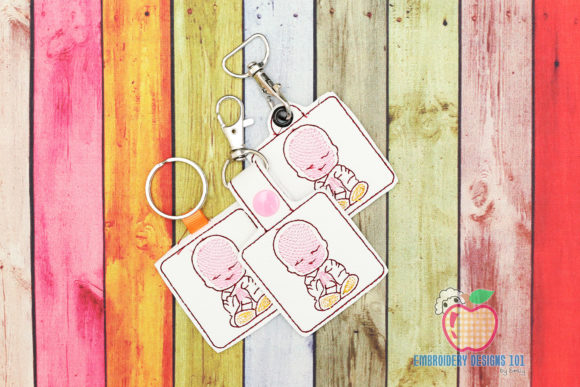
The design carries a calm, minimalist, and slightly classic feel. It's not overly bold or playful, but it has a certain quiet strength that makes it feel premium and thoughtful. For apparel decorators targeting a mindful, wellness-oriented, or aesthetically conscious customer base, this visual mood is a significant asset. The detail level appears clean, with the focus on the central figure, making it suitable for smaller placements without losing its decorative impact. It doesn't scream for attention; instead, it invites a closer look, which can be perfect for creating a cohesive, sophisticated brand identity.
From Key Fob to Apparel: Unexpected Versatility
The product description clearly states this is an In The Hoop key fob design with three versions. However, the creative potential for apparel is immediately apparent. The fact that each design is 4x4 hoop friendly means it's perfectly sized for many common garment placements. For a small clothing brand or Etsy seller, this opens several doors.
Imagine this design embroidered on the left chest of a neutral-toned, oversized sweatshirt. The contrast of the serene image against a cozy, textured fabric creates an instant lifestyle product. On a pastel hoodie, it would offer a subtle, feminine accent. For dark apparel, like a black denim jacket or a deep navy sweatshirt, careful thread color contrast planning would make it pop as a sophisticated sleeve accent or a small back design. The scale is also ideal for t-shirt embroidery, particularly on curved surfaces like the shoulder or along the hem, where larger, denser designs might pucker.
Practical Considerations for Garment Application
While the design seems well-suited for apparel, a professional approach requires careful testing. The description confirms it's a key fob pattern, which often involves specific stabilizers and techniques for rigid finishing. Applying it to stretchy fabric like sweatshirt fleece or ribbed cuffs is a different challenge.
Before running this embroidery file on any custom apparel, I would always test on scrap fabric identical to my final garment. Checking stitch density on a similar fabric texture is crucial; dense areas might need adjusted stabilizer to prevent stiffness on soft, cozy garments. For chest placements on stretchy fabric, a solid stabilizer choice is key to prevent distortion. The small scale helps, but one must always inspect the design in the hoop on the actual garment fabric to ensure clean stitching, especially if there are any tiny detailing elements.
Enhancing Brand Value and Customer Engagement
Using a design like the Little Buddha ITH Key Fob Pattern on a sweatshirt or tote bag does more than just decorate a product. It can directly affect apparel value and buyer trust. A clean, well-executed embroidery on a premium garment signals professional presentation and care. For a boutique brand, this consistency across products—say, a sweatshirt, a hoodie, and a matching tote—builds strong product recognition. In lifestyle product photos for Etsy listings or social media graphics, such a design conveys a specific brand story: one of tranquility, quality, and intentional design. This visual consistency engages customers looking for more than just a generic garment.
Strategic Placement and Commercial Use Notes
For sweatshirt embroidery and hoodie design, I would lean towards smaller, intentional placements. The chest, a sleeve cuff, or the lower back are excellent spots. Avoid areas that undergo significant stress or stretching. The design's nature, falling under the Religion category, means it resonates with a specific audience, which is perfect for niche handmade product lines. For commercial embroidery products sold in a small shop, it adds a unique, conversation-starting element to a collection.
Before production, always compare placement options on a physical garment or a printable mockup. Confirm the exact hoop size compatibility and machine formats from the Creative Fabrica product details. Since it includes three versions, one might be more suitable for apparel depending on the element spacing. And, crucially, always review the licensing terms on Creative Fabrica for any digital embroidery file before selling finished apparel to ensure your commercial use is covered.
A Final Designer's Checklist
Integrating this pattern into a collection requires a methodical approach. Here is my practical list:
- Test, test, test. Run the design on fabric scraps matching your final garment's weight and texture.
- Evaluate stabilizer. Choose a stabilizer that handles the fabric texture while supporting the stitch density without making the garment stiff.
- Plan thread colors. Consider high-contrast colors for dark garments and softer, complementary palettes for pastels.
- Confirm the details. Double-check the Creative Fabrica page for the exact file formats, hoop size requirements, and any notes about stitch count or density.
- Think beyond the hoop. How will this design look in your Etsy listing photos? On a tote bag next to the sweatshirt? Does it create a cohesive line?
The Little Buddha ITH Key Fob Pattern offers a surprising breadth of application for creative entrepreneurs in the apparel space. Its serene aesthetic, manageable scale, and included variations make it a worthwhile consideration for anyone building a boutique collection with a mindful, quality-focused identity. By approaching it with professional embroidery diligence—testing on your specific garments, confirming technical details, and planning its role in your brand story—you can transform a key fob pattern into a valuable element of your custom apparel line.