Enjoy Easter Day Bluework: A Designer's Review for Craft Fair Products
As a professional embroidery designer, preparing for a weekend craft fair means scrutinizing every design for its real-world potential. Today, I’m reviewing the Enjoy Easter Day Bluework embroidery file, thinking about how it will translate onto actual products for my booth. My focus is on what sells, what looks good in person, and what’s practical to produce in batches for handmade markets.
First Impression: Festive, Soft, and Decorative
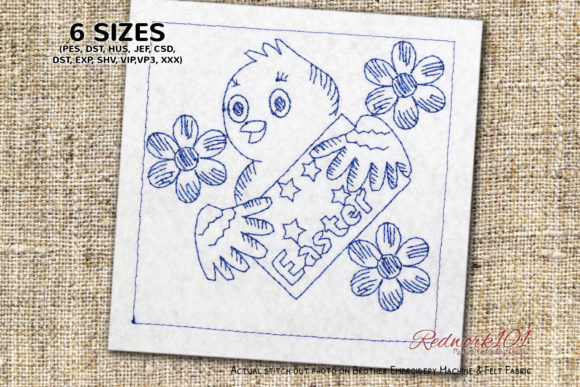
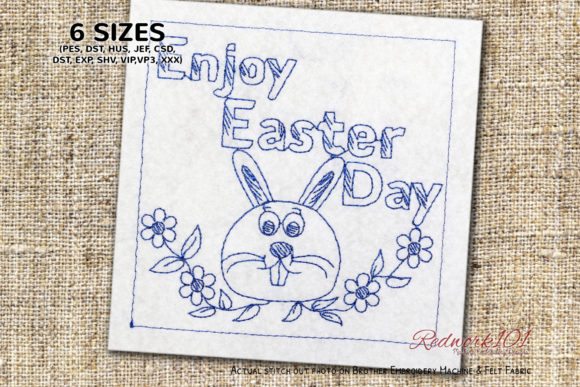
The Enjoy Easter Day Bluework title immediately suggests a soft, decorative, and festive mood. The bluework style typically implies a single-color palette, which often leans elegant and minimal, yet the "Enjoy Easter Day" wording injects a clear holiday cheer. This combination is promising: it feels more premium than overly cute, leaning towards a modern farmhouse or sophisticated rustic aesthetic. For a craft fair booth filled with spring items, this design should stand out as a festive yet refined option, appealing to customers looking for Easter decor that isn’t overly childish.
Product Performance: Where This Design Excels
When I imagine my table display—tote bags, aprons, tea towels, patches, caps, pouches, pillow covers—I evaluate where Enjoy Easter Day Bluework would shine. The single-color approach (likely blue, as the name indicates) is a major advantage for production and visual cohesion.
- Tote Bags & Market Bags: This design should work beautifully as a large focal point on a natural canvas or linen bag. The decorative nature elevates a simple bag into a giftable handmade product.
- Aprons & Kitchen Towels: The festive message paired with a potentially elegant script makes it a strong contender for kitchen textiles. On a textured towel, careful stabilizer choice will be key to preserve detail.
- Pillow Covers: For home decor, this could be a standout seller. As a centered design on a pillow, it offers a soft, seasonal touch without being kitschy.
- Embroidered Patches: If the design’s details aren’t too tiny, converting it into a patch is a great way to offer a lower-priced item. Patches also attract a different buyer, like those looking for jacket accents.
- Caps & Fabric Pouches: On curved surfaces like caps, the design might need simplification. For small pouches, it could serve as a charming accent if scaled appropriately.
The optional Box Stitch mentioned is a practical note. For craft fair products, this border can be a game-changer. On a dark fabric apron, a contrasting box color (as noted in the description) will frame the design and prevent it from fading into the background, instantly boosting customer attention at the booth.
Practical Selling Points & Production Considerations
From a commercial embroidery and small shop product perspective, several factors determine if a design is a reliable seller.
Visual Clarity & Customer Engagement
Enjoy Easter Day Bluework needs to be understood at a glance. "Enjoy Easter Day" is clear, but the lettering style is crucial. If it’s a small or intricate script, it may lose clarity on textured towels or at smaller sizes. This impacts both booth display strength—where customers scan quickly—and online listings, where photographs must capture crisp details. I always advise testing the embroidery file on scrap fabric first to check thread contrast and stitch density in the lettering.
Batch Production & Handmade Quality Feel
For repeatable batch production, a consistent color palette is a blessing. Using primarily one thread color simplifies setup and creates brand consistency across different product types. However, I must check the actual stitch density. Dense stitch areas on a design this size can be time-consuming and may require specific stabilizer on lightweight fabrics like pouches. The note about the outer box color being different in most designs is a production heads-up; it means I need to plan for a second thread color for many applications, which adds a step but also enhances the finished product’s visual appeal and perceived value.
Photography & Online Sales Potential
For my Etsy listings and printable mockups, this design should photograph well if the embroidery is clean. The single-color (or two-color with box) design creates a strong graphic element against a neutral fabric, making it perfect for design assets and digital shop imagery. A real, physical mockup—say, on a tea towel—is essential to showcase how it looks in person, which builds buyer engagement and trust in the handmade quality.
Careful-Use Notes for the Embroidery Designer
Every design has its quirks. Based on the description, here are my professional notes for implementing Enjoy Easter Day Bluework.
- Test on Scrap Fabric: Always run a test on the actual fabric you plan to use for products—linen, canvas, cotton towel. Check for puckering and clarity.
- Review Spacing & Hoop Size: The description doesn’t specify exact dimensions, so confirming the compatible hoop size before production is critical. Ensure the design fits your intended product areas.
- Inspect Stitch Density: Pay close attention to any densely filled areas, especially if adding the optional Box Stitch. This affects production time and fabric choice.
- Thread Contrast on Dark Fabrics: If using dark fabric for caps or bags, the bluework may need a very light or bright blue to stand out. The contrasting box becomes even more important here.
- Small Accent vs. Large Focal: Evaluate if the design works scaled down for a small pouch or scaled up for a tote bag. Tiny details or small lettering may vanish at smaller sizes.
- Commercial Licensing: As a digital embroidery file, confirm the commercial licensing terms before selling finished products at craft fairs or online. This is a non-negotiable step for any digital seller.
Final Booth Strategy & Product Value
In my final craft fair booth layout, I would position products with Enjoy Easter Day Bluework in the spring/Easter section, but elevated amongst the more general home goods. A beautifully embroidered pillow cover or a premium linen tote bag with this design acts as an anchor item, demonstrating skill and aesthetic. Its value isn’t just in the holiday message; it’s in the execution of a clean, decorative bluework style that feels intentionally handmade. For the creative entrepreneur, this design offers versatility across product types while maintaining a cohesive, premium look that can attract customers seeking something special for Easter or spring decor. The key, as always, is in the meticulous production: the right stabilizer, the tested thread colors, and the thoughtful product pairing that lets the design’s festive and soft mood truly shine.