Evaluating the Breast Cancer Ribbon 3 Embroidery Design
When you’re in the business of creating with a machine, whether for a client’s custom apparel or for your own small shop merchandise, every embroidery design you load into the hoop represents a commitment. It’s not just about stitches; it’s about the finished product’s feel, its durability, and the message it carries. Today, I’m looking at the Breast Cancer Ribbon 3, an awareness-themed design, from that exact practical viewpoint.
The First Stitch: A Design That Speaks Before It’s Sewn
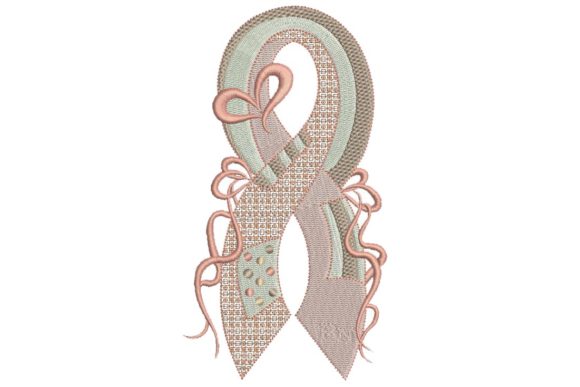
My first impression of this breast cancer awareness pink ribbon embroidery design is one of quiet elegance. The shape is classic, but the layout suggests a thoughtful composition—it’s not just a standalone symbol. It feels like it’s designed to be a focal point, a centerpiece of empathy and support. The detail level strikes a balance; it has enough visual personality to stand out without being overly dense or busy. This tells me it naturally belongs to projects where the sentiment is paramount: a personalized gift for a survivor, a fundraiser item for a boutique, or a subtle, meaningful addition to everyday items.
The mood it creates is hopeful and respectful. This isn’t a loud, graphic shout; it’s a gentle, recognizable statement. For crafters and Etsy sellers, that’s a valuable distinction. A design like Breast Cancer Ribbon 3 embroidered on a simple cotton tote bag or the corner of a cozy blanket immediately elevates the item from a generic product to a story-bearing piece. I can visualize it on a client’s request for a commemorative pillow cover or as part of a small business’s line of awareness-themed kitchen towels. Its visual personality is approachable, which is key for giftability and buyer engagement.
Where This Ribbon Finds Its Home: Real Project Scenarios
Let’s walk through a real-life scenario. Imagine you’re preparing a custom embroidered sweatshirt for a customer who wants to wear their support. You select a high-quality, mid-weight fabric. Hooping up, you consider the Breast Cancer Ribbon 3. Its likely use of satin stitches for the ribbon and clean outlines means it will offer stitching clarity and a polished look on that apparel. The design’s proportions suggest it would sit beautifully on a chest or sleeve without overwhelming the garment.
For handmade product creators, this embroidery file opens doors. Think embroidered patches for caps, subtle accents on baby items (like a delicate touch on a nursery decor blanket), or a tasteful motif on an apron for a caregiver. As a professional designer reviewing for commercial embroidery projects, I see its strength in versatility. It would work for holiday gifts crafted with intention, for wedding gifts honoring a loved one, or as a consistent design asset for a brand that supports awareness causes. On a tote bag design, it becomes a daily reminder; on a tea towel, a meaningful kitchen staple.
Considerations for Texture and Scale
Performance in real-life embroidery situations isn’t just about the digital file; it’s about the marriage of thread and fabric. On textured fabrics like a woven towel or a fleece blanket, the design’s details must be clear. I would advise testing Breast Cancer Ribbon 3 on scrap fabric first to see how the stitch density interacts with the texture. On stretchy fabric, like a t-shirt, proper stabilizer is non-negotiable to maintain that lovely shape.
Dark fabric presents a classic challenge for any light-colored design. The pink ribbon’s visual appeal hinges on contrast. Reviewing thread color contrast against a dark background in a black and white mockup beforehand is a smart step. Similarly, on curved surfaces like caps, the design’s layout must be checked for any detailed corners that might distort. For very small hoop sizes, inspect the small details—ensure the design’s integrity holds when minimized.
The Professional’s Eye: Value, Trust, and Practical Notes
How does using Breast Cancer Ribbon 3 affect your work? For the small business owner or Etsy seller, it boosts product value by adding a layer of heartfelt purpose. It builds customer trust because it represents a recognized symbol crafted with care. The handmade presentation gains professionalism when the embroidery is clean and intentional, as this design promises. For brand consistency, if awareness is part of your shop’s ethos, this design can become a reliable, recognizable element.
Now, the practical embroidery designer notes I always keep in mind:
- Always test the design on a scrap of your intended project fabric first. Check for puckering, clarity, and thread coverage.
- Review stitch density by looking at the sewn sample. Is it too dense for thin fabric? Is it sufficient for a durable finished product like a patch?
- Confirm the hoop size needed. The product description mentions multiple embroidery file formats, which often cater to different machine compatibilities and sizes. Verify this before hooping your valuable garment.
- Compare how the design looks on both light and dark fabric backgrounds. Your customer might request either.
- Use proper stabilizer. This is universal, but crucial for maintaining the design’s "lovely" promise on any fabric or clothes.
- Check the licensing. Before selling finished items or digital products like printable mockups featuring this design, confirm the terms of use for commercial embroidery.
This design, by its theme, often goes into items that need frequent washing—think sweatshirts, baby clothes, kitchen towels. A well-digitized design with balanced fills and runs will withstand that. I’d look closely at the sewn test to see how the stitches hold.
A Final Thought Before the Hoop Closes
Embroidery is a bridge between a digital asset and a tangible, emotional object. The Breast Cancer Ribbon 3 design, from this review perspective, appears to be a strong candidate for building that bridge. It seems crafted for impact without aggression, for recognition without loudness. For the maker, the apparel decorator, the creative entrepreneur, it offers a path to creating products that resonate deeply. My judgment is to approach it with the usual professional precautions—test, stabilize, verify—and then let it stitch its supportive, elegant message onto your next meaningful project.