Happy Easter Bird Redwork: An Experienced Designer’s Review
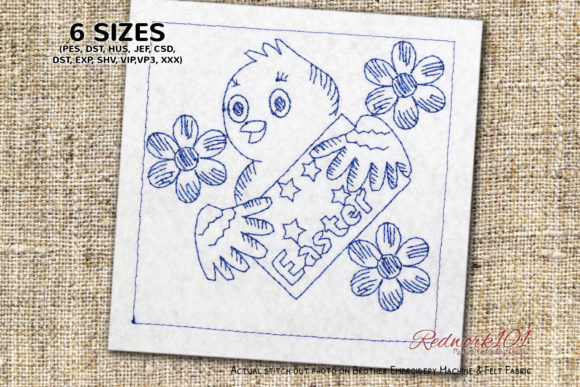
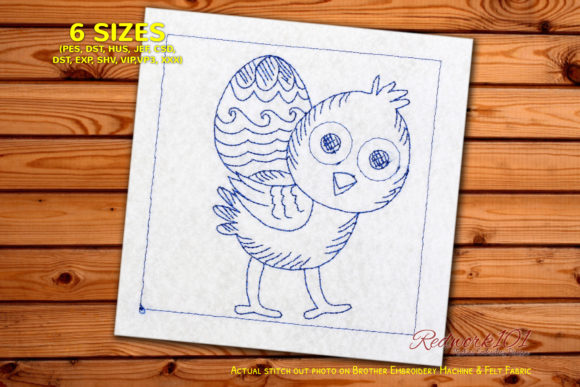
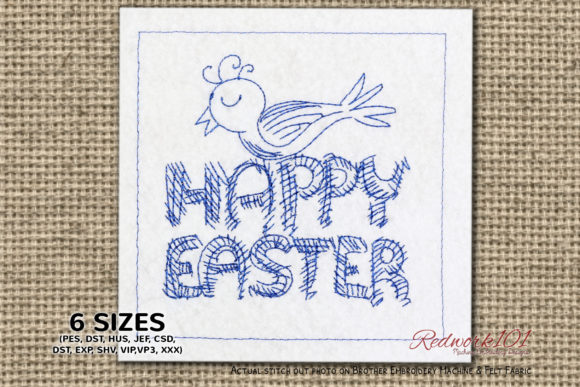
When you’re selecting an embroidery file for a real project—whether for a client, your shop, or a special gift—the first impression matters. Happy Easter Bird Redwork presents a charming, clean, and welcoming vignette. Its mood is classic and celebratory, leaning into the warmth of spring and tradition rather than over-the-top festivity. The layout feels balanced, with a central bird motif that’s gentle and friendly. The detail level is thoughtful; it’s not overly dense, which signals a design that will stitch out cleanly without feeling heavy on the fabric. Its visual personality is nostalgic and sweet, perfect for projects where you want to convey care and craftsmanship.
Where This Design Finds Its Natural Home
Imagine you’re preparing a custom embroidered linen pillow cover for a boutique client, or a set of tea towels as a heartfelt holiday gift. Happy Easter Bird Redwork feels destined for these kinds of applications. Its redwork style—traditionally single-color linework—offers a timeless look that elevates simple home goods. For small business merchandise, this design could beautifully anchor a spring-themed collection on tote bags or aprons. For personalized gifts, like a child’s name added beneath the bird on a baby blanket or nursery decor, it provides a gentle focal point without overwhelming the piece. The optional box stitch mentioned—and the note that you can skip it—is a practical feature. It gives you control over the final presentation, allowing you to frame the bird or let it stand alone for a more minimalist, modern handmade product.
Performance in Real-World Embroidery Projects
Let’s talk about stitching it out. On custom apparel, like a lightweight cotton sweatshirt, this design should perform well given its likely moderate stitch density. The clear lines and shapes promise good stitching clarity. On a tote bag, it becomes a durable, attractive accent. For craft fair products or Etsy listings, it creates a cohesive, professional look that buyers recognize as quality handmade. As a patch, it would be lovely, but pay attention to the small details—the bird’s features and any tiny elements—to ensure they remain distinct when stitched smaller. On kitchen towels or pillow covers, where fabric is often flat and stable, it’s a straightforward and rewarding embroidery project. For baby clothes, consider placement; it’s gentle enough for a bib or burp cloth, but always test on similar fabric first to gauge its impact on softer, stretchier materials.
A Note on Areas for Careful Application
While Happy Easter Bird Redwork appears adaptable, a few scenarios warrant extra planning. On very textured fabrics like thick sweaters, the fine lines might lose definition. On dark fabric backgrounds, the traditional redwork look depends entirely on your thread color contrast—a bright crimson or even a soft pink could work, but test it. On curved surfaces like caps, the optional box stitch might become a challenge if the design isn’t specifically adapted for curved hooping; the central bird alone would likely be more forgiving. For products destined for frequent washing, such as baby items or aprons, the stitch integrity will rely on using proper stabilizer and quality thread. And if you’re considering very small hoop sizes for tiny accents, inspect the design file closely beforehand; condensed details can become muddy.
The Impact on Your Product’s Value and Appeal
From a business and presentation standpoint, this design supports customer trust. It feels intentional and well-crafted, not generic. For an Etsy seller or small shop product, that handmade presentation is crucial. It boosts giftability—this is an embroidery design that people would want to receive on a keepsake. It also aids brand consistency if you specialize in classic, seasonal items. For commercial embroidery projects, like a run of branded holiday gifts for a corporate client, it offers a professional, festive touch without being childish. The recognition factor is strong; it’s clearly an Easter theme, but executed with a restraint that broadens its appeal beyond just one day.
Practical Notes from the Hoop
Before you commit this design to a final product, here are my standard practice steps. First, always stitch it out on a scrap of your intended fabric. This tells you everything about thread color contrast, actual stitch density, and how the details land. Check the small elements, especially if the design includes any fine lettering or delicate corners. Running a test in a black and white mockup can help you visualize it on both light and dark backgrounds digitally. Use the appropriate stabilizer for your fabric—this is non-negotiable for clarity and durability. Crucially, confirm the licensing terms for Happy Easter Bird Redwork before selling any finished items or using it in digital product previews. Understand whether it’s cleared for personal and commercial use. And remember, the outer box color can be different or skipped entirely; that’s a creative decision that directly affects your final embroidered patch or apparel design.
Final Thoughts for the Maker
Happy Easter Bird Redwork is a versatile, charming digital embroidery file that fits into a maker’s workflow with minimal fuss and maximum potential. It lends itself to a wide range of projects—from a single personalized gift to a line of boutique holiday merchandise. Its strength is in its clear, classic aesthetic and the practical control it offers over the final look. By testing it thoroughly and pairing it with the right fabric and purpose, you can create finished products that feel special, professional, and genuinely handmade. It’s a design asset that, when used thoughtfully, enhances your craft business and delights your customers.