Evaluating the Easter Basket Redwork Design for Real Projects
Every time I download a new embroidery file, I mentally run it through a series of practical tests. This isn't about whether the file opens; it's about whether the design will hold its own when stitched onto real fabric, gifted to a real person, or sold to a discerning customer. Today, I'm putting Easter Basket with Egg and Bow Redwork through that same rigorous, real-world lens.
A First Impression of Quiet, Seasonal Charm
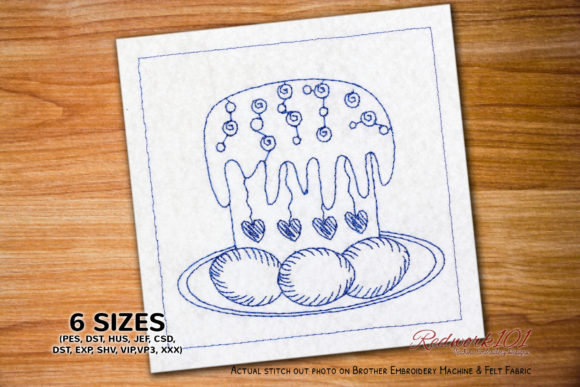
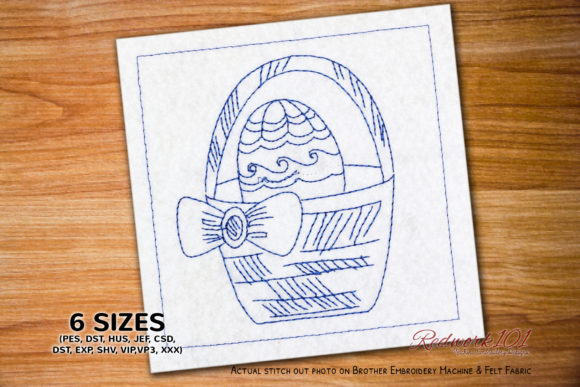
The initial feeling I get from this design is one of gentle, classic Easter charm. It’s not overly flashy or cartoonish. The single-line, redwork style suggests a vintage-inspired aesthetic that speaks to tradition. The focal basket shape is clear and well-defined, with the egg and bow providing straightforward, recognizable accents. This visual personality—quiet, friendly, and thematic—tells me it’s a design meant for projects where subtlety and a handmade feel are valued over loud graphics.
It naturally belongs to the world of thoughtful holiday gifts and boutique-style merchandise. I immediately picture it stitched on the corner of a linen kitchen towel, adorning a child’s springtime pillow cover, or as a sweet centerpiece on a simple cotton apron. The detail level appears manageable, without overly dense fill areas, which is a good sign for translating well across different fabrics and hoop sizes.
Where This Design Finds Its Perfect Home
Let's get practical. Imagine you're preparing a custom Easter gift—a tote bag for a friend who loves the season's gentle arrival. Easter Basket with Egg and Bow Redwork would sit perfectly in the lower corner, a standalone statement that doesn’t overwhelm the bag's utility. The redwork style, typically executed in a single color, offers excellent stitching clarity and a clean, finished look that elevates a simple canvas bag.
For small business owners and Etsy sellers, this design is a strong candidate for seasonal collections. Think of it on:
- Baby items: A tiny version embroidered on a burp cloth or the sleeve of a cotton romper.
- Home decor: A series of pillow covers with this and other spring motifs creates a cohesive, sellable collection.
- Apparel: A discreet placement on a sweatshirt pocket or a tea towel destined for a kitchen.
- Personalized gifts: Adding a name above or below the basket could create a cherished, one-of-a-kind present.
The optional box stitch mentioned in the description is an interesting element. In my experience, a bounding box can frame a design nicely for patch applications or to create a defined border on items like caps. However, since its color may differ, testing it on a scrap first is crucial to see if it integrates seamlessly or if you might prefer to omit it for a more organic look.
The Spots Where Caution and Testing Are Essential
No design is universally perfect, and the professional's job is to know its limits. With its likely use of running stitch or simple satin stitch outlines, Easter Basket with Egg and Bow Redwork should generally handle curved surfaces like caps well, provided stabilizer is used correctly. However, the small details—like the lines of the basket weave or the ties on the bow—require attention.
- On small hoop sizes: If you’re trying to miniaturize this for a baby garment, inspect the stitch file closely. Those fine details must remain clear and not become a muddy, dense cluster.
- On textured or stretchy fabrics: A terry cloth towel or a stretchy cotton tee will demand a sturdy stabilizer to keep those clean lines from distorting.
- On dark fabric backgrounds: Redwork traditionally implies a red thread on a light ground. If you venture onto navy or black, thread color contrast becomes paramount. A deep burgundy or even a gold might be needed to maintain visibility and appeal.
- For products needing frequent washing: Kitchen towels and baby clothes are laundered often. A robust stitch density and quality thread will ensure the design withstands use, protecting your craftsmanship and customer trust.
How This Embroidery Design Translates to Value and Trust
When I evaluate a design for commercial use or serious gift-making, I think about the silent messages it sends. A well-executed Easter Basket with Egg and Bow Redwork project speaks of professionalism. The clarity of the stitched lines shows care in technique. The appropriate choice of fabric and product—say, a high-quality cotton pillow cover—enhances the perceived value.
For creative entrepreneurs, this consistency in quality builds brand recognition. A customer who receives a beautifully embroidered holiday tea towel with this design is more likely to return for your spring collection next year. The design's giftability is high; it’s specifically thematic without being locked to a single product type, allowing for endless personalization.
In digital product mockups or photos of finished items, this clean design will present well. Its straightforward shape and lack of visual clutter make it easy for potential buyers online to understand what they’re getting, boosting engagement and sales.
A Designer's Practical Notes Before You Hoop Your Fabric
Before you commit this to a client’s sweatshirt or a batch of craft fair tote bags, run through this quick mental checklist. It’s what I do every time.
- Test on Scrap: Always stitch a sample on a scrap of your intended fabric. This reveals everything: actual thread color impact, stitch density, and how small details land.
- Check the Box: If using the optional box stitch, test it. Does the color difference work with your thread plan? Does it enhance or detract from the main motif for your specific project?
- Consider Backgrounds: Stitch a sample on both light and dark fabric if your product line uses both. This informs your thread inventory and listing descriptions.
- Hoop Size & Stabilizer Match: Pair the design’s detail level with the correct hoop size and stabilizer type. A delicate design on a towel needs a different approach than on a stable cotton cap.
- Licensing Clarification: The product description doesn’t specify license terms. For commercial embroidery projects or selling finished products, it is your responsibility to confirm the licensing before proceeding. This protects your business.
- Black & White Preview: View the design file in a monochrome preview. This helps you see the pure structure, away from color, ensuring shapes are solid and not fragmented.
Easter Basket with Egg and Bow Redwork strikes me as a versatile, charming asset for the spring season. Its success hinges not on the file itself, but on your thoughtful application of it. By matching it to the right project, preparing your machine with care, and respecting its strengths and limitations, you can create finished products that carry that quiet, confident charm all the way from your hoop to your customer’s hands.