Craft Fair Success with the Elephant Love Machine Applique
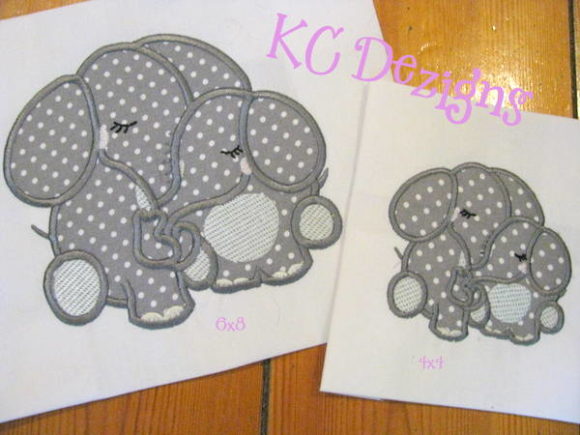
As an embroidery designer preparing for a weekend craft fair, my first task is to evaluate which designs will translate into products that not only look great but also sell in a bustling market environment. Today, I’m reviewing the Elephant Love Machine Applique. The name alone promises a blend of whimsy and warmth, and my immediate impression is that this design leans heavily into the adorable and cute. It feels soft, decorative, and inherently giftable—a mood that resonates deeply with customers looking for a touch of heartwarming charm in handmade goods.
First Impressions: Booth Appeal and Customer Attention
Walking past a craft fair table, a customer’s eye is caught by clarity and emotion. The Elephant Love Machine Applique, with its implied theme of affection, has an instant advantage. It doesn’t scream; it invites. In a category like Wild Animals, this shifts the vibe from rustic or bold to something more gentle and personal. On a crowded table of handmade products, this distinction matters. I envision it standing out on a simple linen tea towel or a soft, pastel pillow cover, creating a focal point that feels premium and thoughtful rather than purely decorative.
Product Performance: Where This Design Shines
The real test of any machine embroidery design is how it performs across a range of craft fair products. I consider my typical booth inventory: tote bags, aprons, tea towels, caps, patches, fabric pouches, and pillow covers.
For tote bag design and market bags, this applique would work beautifully as a medium-sized focal point on the front or pocket. Its cute nature elevates a simple bag into a special carry-all. As an apron embroidery, especially on a chef’s apron or a child’s art apron, it adds that personal, loving touch that makes the product feel like a unique gift.
Tea towel embroidery is a classic craft fair staple. Here, the Elephant Love Machine Applique would perform excellently as a corner or center design. The key will be fabric texture; a smooth, high-quality cotton or linen will showcase the details best, whereas a more textured towel might require careful stabilizer choice to maintain clarity.
Turning it into an embroidered patch is a fantastic idea for versatility. Patches appeal to a broad audience and are quick to produce. However, I would be cautious about scaling it too small. If the design contains tiny details or small lettering (the word “Love,” for instance), these might lose definition at a very small patch size, affecting the perceived handmade quality.
On caps, the curved surface presents a challenge. The design’s stitch density needs to be manageable to avoid puckering on the curved cap front. A test on scrap fabric of similar structure is essential. For small pouches and pillow covers, this design becomes a premium feature, increasing the product's value and visual appeal significantly.
The Practical Production Checklist
Before batch-producing any items for my small shop product line, I follow a strict set of real-world checks.
- Test on Scrap Fabric: Always embroider the Elephant Love Machine Applique on a scrap of the exact fabric you plan to use (e.g., canvas for totes, terry for towels).
- Check Thread Contrast: On dark fabrics, the design’s cute appeal might diminish if thread colors don’t pop. Test light or bright thread combinations.
- Review Stitch Density: Dense stitch areas can cause fabric stiffness or hoop challenges. Inspect the design file’s density for suitability on lighter fabrics like tea towels.
- Confirm Hoop Size: The description mentions multiple embroidery file formats, but the specific hoop size is not given. I must check this detail in the purchased files to ensure it fits my intended products without unnecessary resizing.
- Use the Right Stabilizer: This is critical for maintaining quality across different fabric textures, especially for items like aprons or caps.
- Create a Real Mockup: Before listing anything online or producing in batch, make at least one finished product—a tote bag or pillow cover. This proves the design works as a finished product and provides the best asset for photos.
- Compare Fabric Colors: The emotional tone of “cute” works best with softer, lighter, or neutral fabrics. Test the design on a palette of colors you plan to offer.
- Confirm Commercial Licensing: The product description mentions it’s a digital embroidery file. As an Etsy seller and commercial embroidery business, I must verify the license terms allow for selling the finished products at craft fairs and online.
Selling Power: Visual Appeal and Buyer Engagement
From a sales perspective, the Elephant Love Machine Applique affects several key areas.
Visual Appeal & Customer Attention: Its cute, loving theme creates an emotional hook. In a booth, products featuring this design will attract customers who are shopping for gifts or items for children. It encourages a smile and a story, which boosts engagement.
Product Value & Handmade Quality: A well-executed embroidery of this design on a high-quality base item (like a linen tea towel) significantly increases the perceived value. It clearly communicates care and skill, reinforcing the handmade product advantage over mass-produced goods.
Brand Consistency & Booth Display Strength: If my brand leans into heartwarming, whimsical, or family-oriented themes, this design strengthens that consistency. A cohesive booth display with several items (tote, towel, pillow) all featuring the Elephant Love Machine Applique creates a powerful, recognizable vignette that draws buyers in.
Photography for Online Listings: For my Etsy listings or printable mockups, this design photographs well because it’s centrally focused and emotionally clear. A clean, high-contrast photo of the embroidered item will effectively convey the charm online.
Final Designer Notes for Craft Fair Success
The Elephant Love Machine Applique is a strong contender for my next craft fair. Its inherent cuteness and emotional resonance are its biggest selling points. For maximum impact and practicality, I would focus production on products where it can be a clear focal point at a medium scale: premium tea towels, linen pillow covers, and sturdy canvas tote bags. These items allow the design to shine without being compromised by size or surface challenges.
I advise fellow creative entrepreneurs to approach this as a versatile design asset. Start with one product type, perfect the production process including stabilizer and thread choices, and then expand your line. Always, always make that first real mockup—it’s the truest test of how a machine embroidery design will perform as a sellable, beautiful craft fair product. With careful production, the Elephant Love Machine Applique has the potential to become a beloved, attention-grabbing star of your handmade booth.