Goat Head Capricorn Lineart Redwork Review for Craft Fair Products
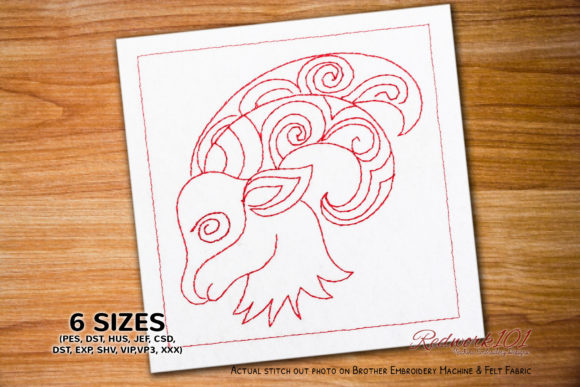
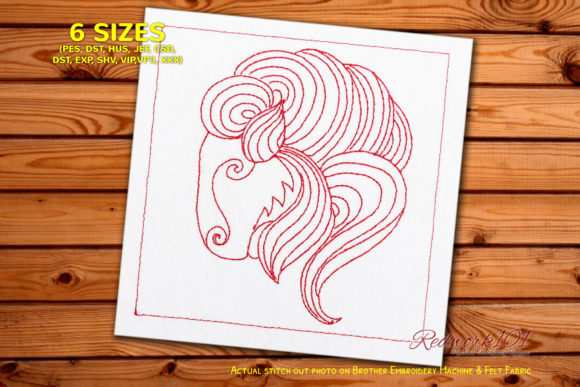
As an embroidery designer preparing for a weekend craft fair, every design choice is a business decision. I’m reviewing the Goat Head Capricorn Lineart Redwork not just as a digital embroidery file, but as a potential product on a crowded booth table. Its first impression is clear: it’s a bold, minimalist, and somewhat mystical design. The lineart style leans modern and graphic, while the goat head subject matter brings a touch of rustic, zodiac, or wild animal appeal. This isn’t a cute or soft design; it feels decorative and intentional, which can signal premium handmade quality to a browsing customer.
Where This Design Shines on Market Products
When I visualize my table—totes, aprons, towels, caps, pouches—I immediately see this design performing best as a focal point on items where the graphic can command attention. The Goat Head Capricorn Lineart Redwork would stand out beautifully on a solid-color canvas tote bag or a market bag. The clean lines create a striking, almost tattoo-like art piece that elevates a simple bag into a statement accessory.
For kitchen textiles like aprons or tea towels, this design leans more towards decorative rather than purely utilitarian. It would work well on a chef’s apron as a unique badge of personality, or on a high-quality linen tea towel as a giftable item. The optional box stitch mentioned in the description is a key consideration. If used, it frames the design, giving it a more finished, patch-like appearance perfect for pillow covers or fabric pouches. If skipped, the raw lineart feels more organic and modern, ideal for minimalist tote bag embroidery.
Practical Production for Batch Selling
From a production standpoint, lineart redwork is generally efficient. Stitch density is likely manageable, meaning reasonable run times and less thread usage, which is crucial for batch production. However, the clean lines depend on precise execution. On textured fabrics like terrycloth towels or curved surfaces like caps, using the right stabilizer is paramount to maintain clarity. On dark fabrics, thread color contrast must be high—a classic red or a bold white would make this design pop.
It’s a design that can scale. As a small accent on a cap or a patch, it retains its identity. As a large focal point on a pillow, it becomes dramatic. This versatility is a huge advantage for an embroidery business owner wanting to create a cohesive line across different products.
Customer Attention and Booth Display Power
At a craft fair, customers scan quickly. The Goat Head Capricorn Lineart Redwork has an advantage: it’s easy to understand at a glance. It’s a recognizable animal silhouette with a stylized twist. This immediate recognition can stop a zodiac enthusiast, a goat lover, or someone seeking a modern rustic aesthetic. In a booth display, grouping products featuring this design creates a strong visual theme. A tote, a pillow, and a patch together tell a story and reinforce your brand’s style.
For online sales, like Etsy listings or a small shop website, this design photographs well. The graphic lines translate clearly in mockups and on real product photos, which is essential for digital sellers. Creating at least one real, physical mockup is non-negotiable. Seeing it stitched on the actual fabric you’ll use confirms how the lines interact with the material’s texture and confirms the final visual appeal.
Careful Use Notes for a Quality Finish
- Small Size Warning: If reducing this for a small patch or cap logo, inspect the design file closely. Tiny, intricate lines in the horn or facial details may lose clarity or become overly dense. Always test on scrap fabric first.
- Fabric Choice: This design calls for smooth, tight-weave fabrics for the crispest result. On very textured or thick fabric, the elegant lines can break up.
- Thread & Contrast: Redwork implies red thread, but don’t limit yourself. A deep navy on cream linen, or a metallic thread on black, could redefine the design’s mood and attract different customers.
- The Optional Box: Remember, the outer box is often a different color. This adds a production step (thread change) and a design element. Decide if the box adds value for your specific product—it might give a patch a traditional border, or it might clutter a minimalist tote.
Turning a Digital File into a Sellable Product
The journey from a digital embroidery file to a craft fair product requires groundwork. For the Goat Head Capricorn Lineart Redwork, here are my final designer notes for fellow creative entrepreneurs:
- Confirm Commercial Use: Before selling finished products, verify the embroidery file’s license permits commercial embroidery. This is the first step for any digital seller.
- Hoop Size & Stitch Check: While specifics weren’t provided, run the file in your software. Identify the minimum and optimal hoop sizes. Review the stitch sequence for any overly dense areas that might pucker delicate fabrics like pillow covers.
- Create a Product Matrix: Map out where this design fits. It’s strong for Wild Animals-themed sections, but also for zodiac, farmhouse, and modern graphic collections. Plan your product range: perhaps a large tote as a booth centerpiece, smaller pouches as affordable impulse buys, and patches for versatile add-on sales.
- Batch Production Ready: Because the design is likely not overly complex, it’s a candidate for repeatable batch production. Standardize your fabric choices, thread colors, and stabilizer approach to streamline making a dozen tea towels or tote bags efficiently.
Ultimately, the Goat Head Capricorn Lineart Redwork offers a compelling blend of recognizable subject and stylish execution. It’s a design that can feel premium on the right product, attracting customers looking for something distinctive at a handmade market. By pairing it with high-quality materials and precise stitching, you can transform this lineart into a product that not only sells but also strengthens the perceived value of your entire embroidery brand.